
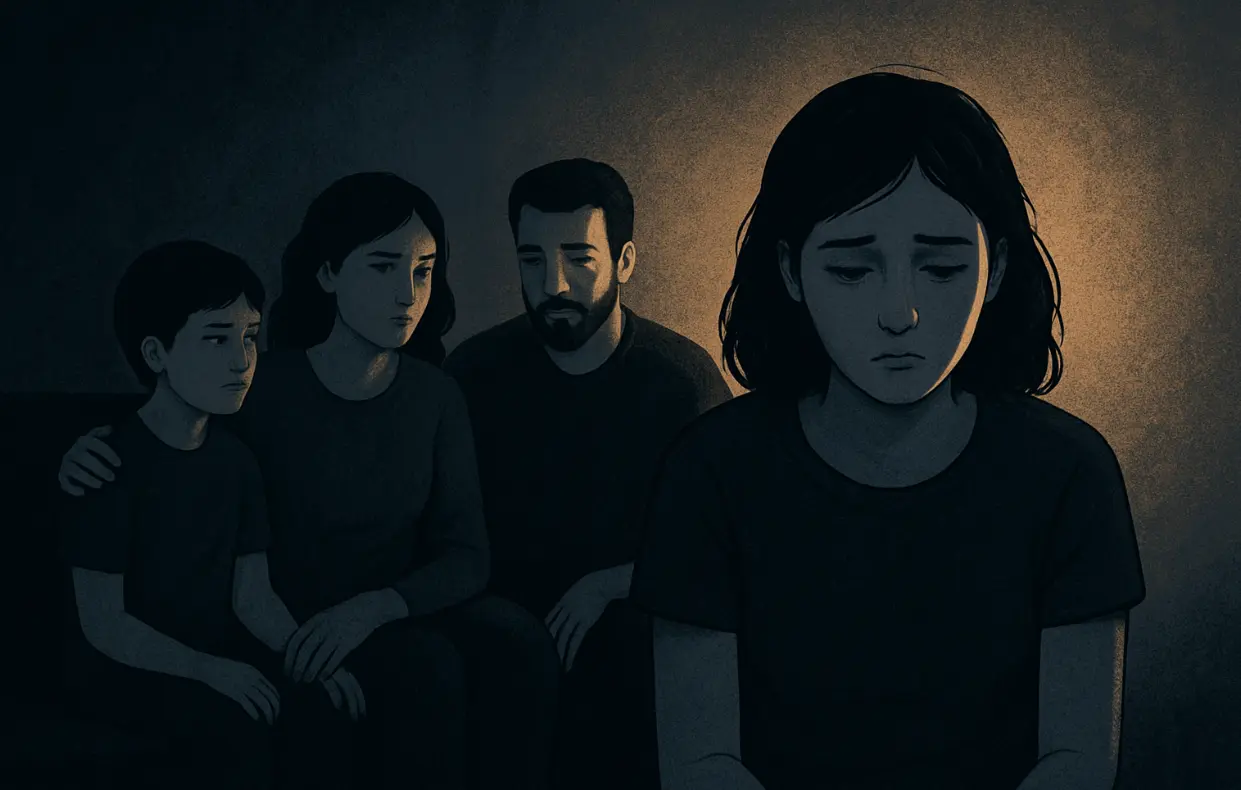
5 Signs Your Loved One Needs Help Before It’s Too Late. In countless homes, there exists an unspoken struggle that never finds its way into conversations. A family member may be showing clear signs of psychological distress — mood swings, emotional outbursts, withdrawal, irritability, or an inability to manage day-to-day responsibilities. Those living around them can sense something is wrong, but the person themselves refuses to acknowledge it. This denial is rarely a matter of stubbornness. It often stems from fear, stigma, or simply the inability to accept that something might be off.
When Mental Health Is Ignored, Families Suffer in Silence
Yet, leaving it unaddressed quietly corrodes the household. A woman silently suffering from depression or anxiety may unintentionally impact her children and spouse, shaping an environment of tension and unspoken hurt. Likewise, a man grappling with untreated psychological issues can let frustration, anger, or withdrawal seep into his family’s daily life. The truth is, mental health struggles are not isolated — they ripple through the entire family, eroding peace, joy, and stability.
Families often feel helpless in these situations. How do you convince someone to seek help when they don’t see a problem? How do you encourage a loved one to attend counseling when even the word “therapy” seems threatening? The key lies in empathy, understanding, and gentle persistence.
Start with Empathy, Not Judgment
Empathy is the bridge between denial and acceptance. Begin by expressing genuine concern, not criticism. Saying something like, “I’ve noticed you’ve been struggling lately, and I care about you,” opens the door without making the person feel attacked. Avoid labels like “crazy” or “overreacting,” even if their behavior frustrates you. Emotional outbursts or withdrawal are symptoms of a deeper struggle, not reflections of character.
Normalize Seeking Help
Many people hesitate to seek psychological help because of stigma or fear of judgment. Families can counter this by normalizing therapy in the same way we treat physical health issues. Just as one would visit a doctor for diabetes, fever, or a persistent cough, seeing a counselor or psychologist is an act of self-care — not a sign of weakness. Emphasize that asking for help is courageous and shows strength, not fragility.
Gentle Reminders Over Pressure
Pressuring a person to get help can trigger resistance, defensiveness, or withdrawal. Instead, use gentle reminders to show that seeking support matters for their well-being and the family’s happiness. Simple statements like, “We all want to see you happy and healthy,” or, “Talking to someone might help you feel lighter,” are subtle ways to encourage action without creating tension.
Offer Tangible Support
Sometimes, the fear of facing therapy alone keeps people stuck. Offer practical support by accompanying them to their first counseling session or helping them research a trustworthy therapist. Let them know they don’t have to walk this path by themselves. Small acts of solidarity — listening without judgment, sharing resources, or even reading about mental health together — can reduce fear and increase openness.
Understand the Ripple Effect
Untreated psychological issues don’t remain confined to the individual. They subtly shape the environment of the home. Children may sense tension and internalize anxiety. Spouses may feel frustration, guilt, or helplessness. Even well-meaning family members may find themselves walking on eggshells, trying to avoid triggering emotional reactions. Recognizing this ripple effect underscores why early intervention matters — for the person suffering and for everyone around them.
Breaking the Silence
We live in a fast-paced, comparison-driven world where stress quietly accumulates. Ignoring mental health only magnifies the damage over time: strained relationships, lingering resentment, or fractured family dynamics. Breaking the silence starts with acceptance — acknowledging that a problem exists and that professional guidance is not optional but necessary. Healing begins the moment families and individuals embrace that step, together.
It’s time to stop treating psychological help as taboo. Families should see therapy as a path toward understanding, growth, and resilience, rather than a mark of failure. With empathy, gentle encouragement, and unwavering support, even the most resistant family member can be guided toward professional care. Every family deserves a home filled with peace, connection, and emotional well-being — and it all starts with acknowledging that help is not a threat, but a lifeline.
← 9 Daily Habits to Fight Inflammation and Feel Better Naturally












Leave a Reply