
Kyunki Saas Bhi Kabhi Bahu Thi 16th April 2026 Written Update: Tulsi Pushes Pari’s Future While Mihir Dreams of Love Again
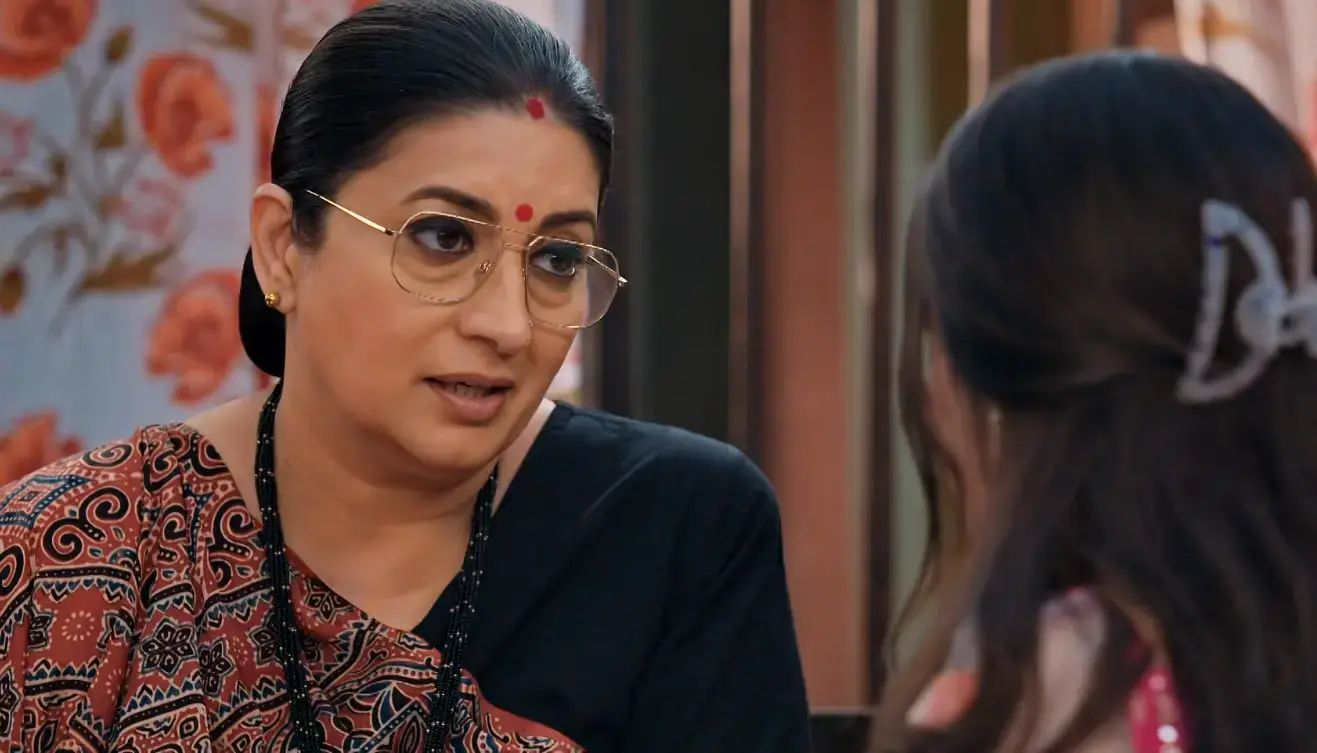
The episode opens on a soft, almost playful note, but beneath that simplicity lies a quiet emotional storm waiting to unfold. Mihir fussing over a missing shirt button feels like a small, domestic moment, yet it quickly turns into something deeper. He insists on wearing the same white shirt, not because he doesn’t have options, but because some habits are tied to emotions, not logic. Tulsi, calm as always, decides to teach him how to stitch instead of doing it for him. It’s symbolic in a way. She isn’t just fixing things anymore, she’s teaching others how to handle life on their own.
Mihir, of course, struggles. The needle pricks him, and his reaction brings a light smile, but the moment shifts when Tulsi casually mentions that she, Shobha, and Munni were discussing remarriage. That one word flips a switch in Mihir. Suddenly, the same man who couldn’t handle a needle is ready to jump into marriage without hesitation. There’s a spark in him, a hope that perhaps life can begin again where it once paused.
But Tulsi gently grounds him. The remarriage talk isn’t about them. It’s about Pari.
That shift hits Mihir harder than the needle ever did.
Still, he doesn’t fully let go. He suggests Ajay as a match for Pari, already thinking ahead, already trying to rebuild life for others. Yet Tulsi reminds him that things are never that simple. Indira’s approval stands as a barrier, as always. Even then, Mihir doesn’t lose hope. He promises to speak when the time is right and, almost like a whisper, asks Tulsi to consider their own marriage too.
That line lingers.
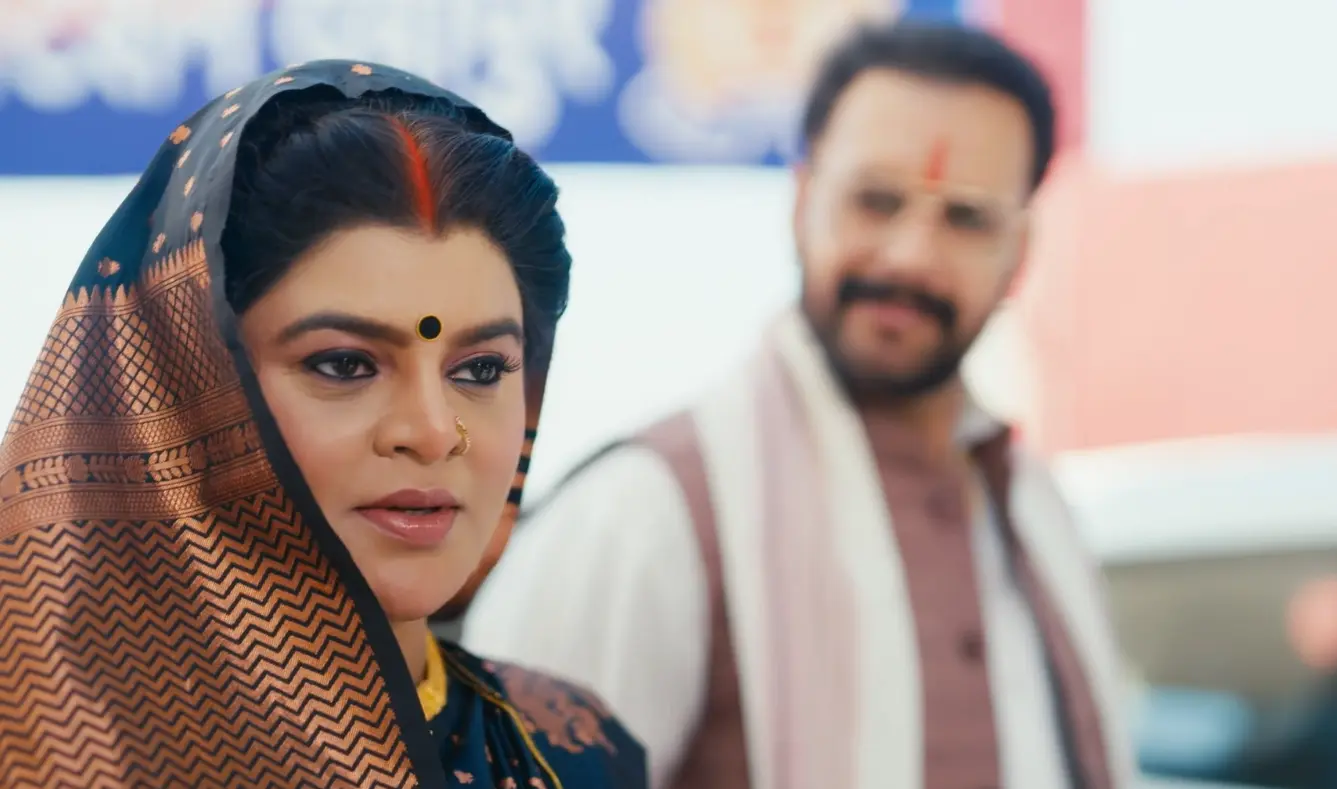
Elsewhere, Shobha’s excitement adds another layer to the house’s atmosphere. She shares her thoughts with Gautam, convinced that Tulsi and Mihir are meant to be together. There’s innocence in her belief, a childlike certainty that love should find its way back. But Gautam sees reality differently. For him, emotions are tangled with practicality. He shifts the conversation back to Pari, acknowledging that her life needs direction.
And that’s where Aryan Bhatnagar enters the picture.
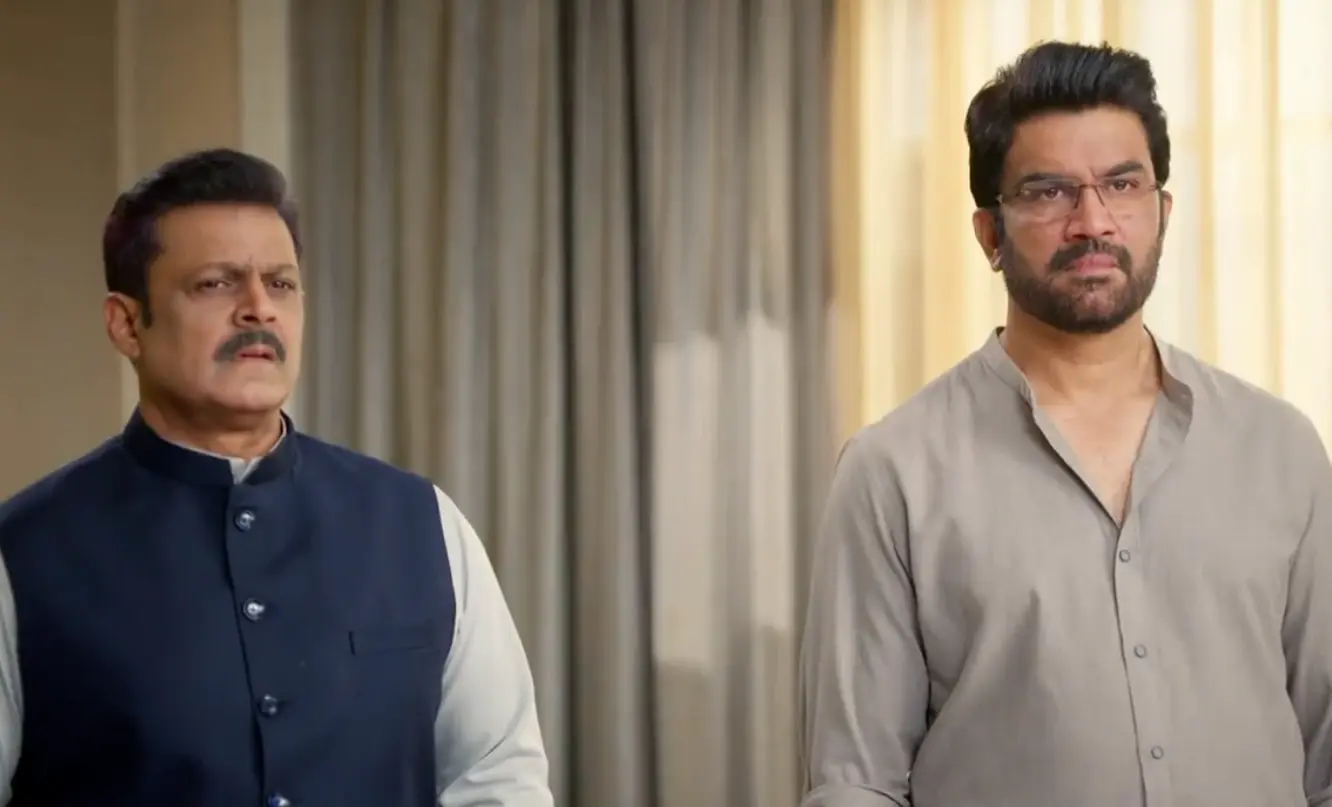
Gautam’s choice is interesting. Aryan is not a fresh start kind of groom. He’s a man who has already lived through a broken marriage. A divorcee. In another setting, this might have been seen as a drawback, but here it feels intentional. Gautam isn’t searching for perfection. He’s searching for compatibility. Someone who understands pain, someone who won’t judge Pari’s past because he carries his own.
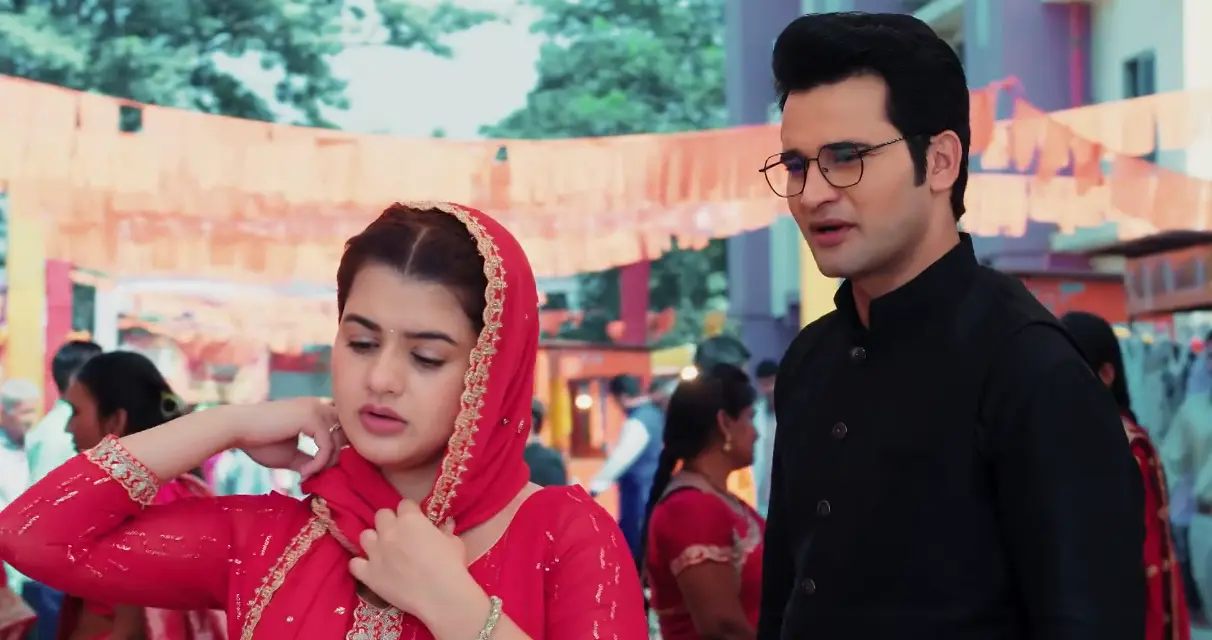
When Aryan arrives, the conversation is subtle but telling. Gautam doesn’t interrogate him aggressively. He observes, asks gently, and listens. Aryan’s honesty about his divorce stands out. There’s no attempt to hide, no discomfort in admitting his past. That honesty earns Gautam’s trust almost instantly.
Inviting him to stay at Shantiniketan isn’t just hospitality. It’s a quiet step toward something bigger. Tulsi, true to her nature, welcomes the idea without hesitation. Her home has always been a space where broken people find warmth, and Aryan’s arrival fits right into that legacy.
While one side of the house discusses new beginnings, another side struggles with harsh realities.
Mihir’s conversation with Ritik shifts the tone sharply. The business losses are mounting, and the pressure is visible. Ritik feels it the most. His frustration spills out when he compares himself to Angad, calling himself a loser in the process. It’s not just about work. It’s about self-worth.
Karan tries to steady him, reminding him of patience and perspective, but Mihir’s approach is different. He doesn’t dismiss Ritik’s struggle. He acknowledges it, appreciates his effort, and subtly reminds him that success isn’t always immediate.
Then comes a moment that should have been purely celebratory. Munni’s award nomination.
The house lights up. Mihir announces a party, proud that a Virani bahu is being recognized. There’s joy, genuine and loud. Munni, humble as ever, credits the family for her success. Karan uses the moment to push Ritik, urging him to see Munni not as competition but as inspiration.
But emotions aren’t that simple.
Ritik smiles, congratulates her, says all the right things, but inside, something cracks. The more Munni shines, the smaller he feels. His exit from the scene says more than words ever could. It’s not anger. It’s quiet insecurity, the kind that grows silently if left unaddressed.
Back in Tulsi’s world, the focus returns to Pari.
This is where the episode slows down and lets emotions breathe.
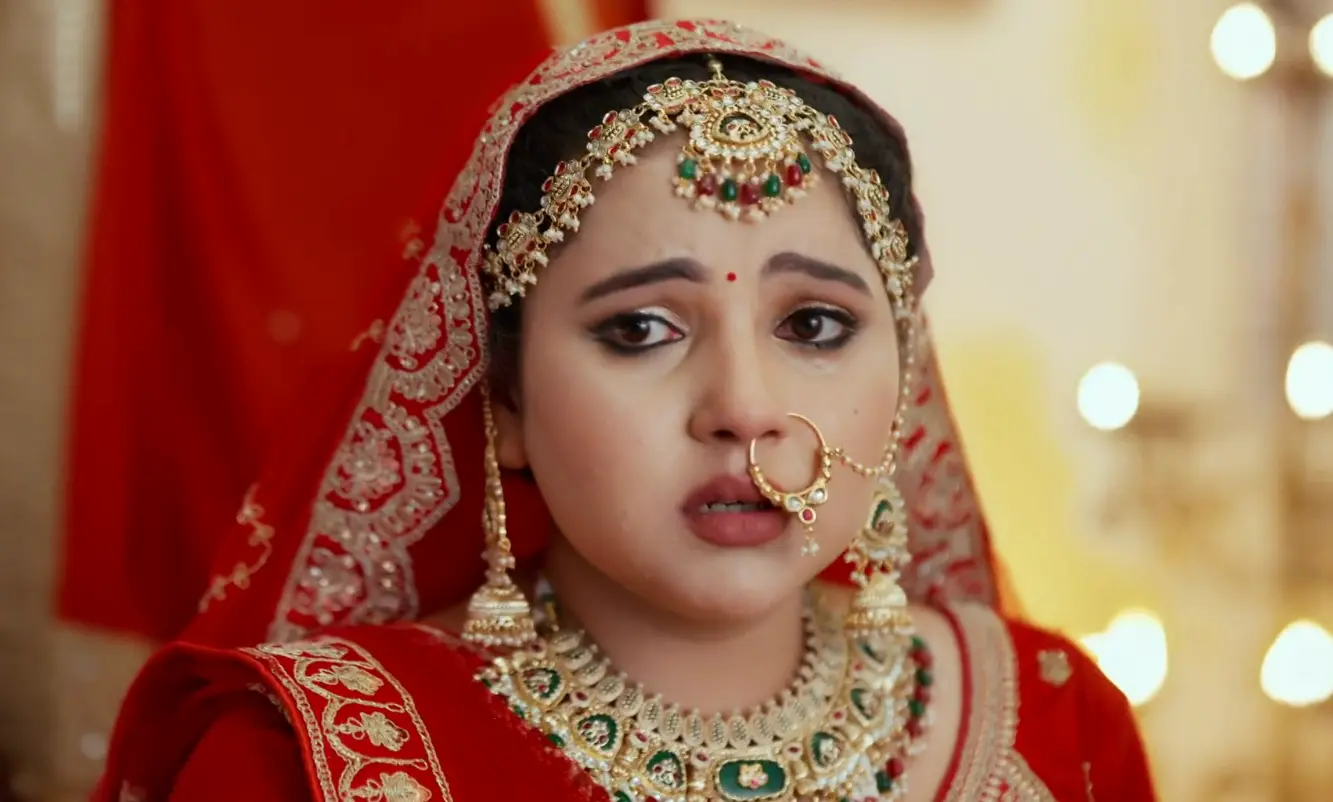
Tulsi’s conversation with Pari isn’t forceful. It’s gentle, filled with concern rather than authority. She reminds Pari that life doesn’t end after heartbreak. That companionship still matters. That she deserves happiness beyond motherhood.
But Pari’s response is firm.
She isn’t bitter. She isn’t angry. She’s simply tired.
Three marriages have taken something from her that she can’t get back. Trust, hope, belief. She doesn’t see marriage as a new beginning anymore. She sees it as a risk she doesn’t want to take again. Her words carry a quiet pain, the kind that doesn’t need dramatic expressions.
She calls herself unlucky, but there’s more than self-pity in that statement. There’s acceptance.
Tulsi tries, but she doesn’t push beyond a point. That’s what makes their bond strong. She worries, deeply, but she also listens. Still, her concern doesn’t fade. When she later speaks to Shobha, it becomes clear that Tulsi isn’t convinced Pari can truly handle everything alone.
And maybe she’s right.
The episode ends without dramatic twists, but the emotional threads are tightly woven. Every character stands at a crossroads. Mihir between past love and possible future. Pari between independence and companionship. Ritik between confidence and insecurity. Tulsi, as always, stands in the middle, holding everyone together while quietly carrying her own questions.
Review
This episode thrives on emotional layering rather than dramatic shocks. The writing leans into subtlety, allowing small conversations to carry big meanings. Mihir’s hopeful innocence contrasts beautifully with Pari’s guarded strength. Both represent different responses to love and loss, and that contrast keeps the narrative engaging.
The introduction of Aryan feels promising, not rushed. It opens a new possibility without forcing it. Meanwhile, Ritik’s insecurity adds a realistic touch, showing that not every struggle is loud or visible.
The only slight dip comes from pacing in the middle portions, where business discussions stretch a bit without adding much depth. Still, the emotional payoff in the Tulsi–Pari scenes balances it out.
Ratings: 8.8/10








Leave a Reply