
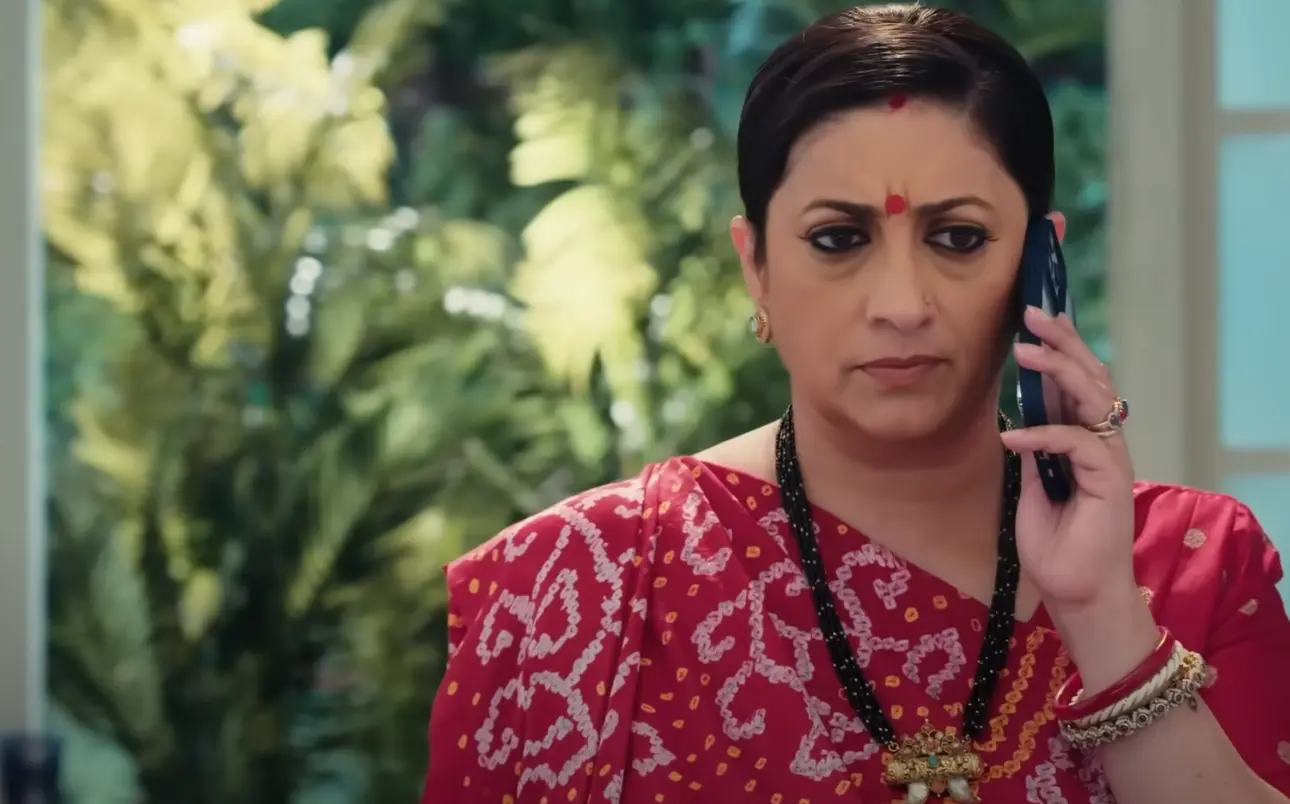
Kyunki Saas Bhi Kabhi Bahu Thi 4th October 2025 Written Update: Havan, Heartstrings and a Dash of Drama: Mihir’s Return to Shantiniketan.
The episode opens with Tulsi and Mihir stepping into the world of altruism—serving food to the children in an orphanage and distributing gifts with hands full of warmth and hearts brimming with compassion. Tulsi takes it upon herself to care for these children, her nurturing side on full display. Mihir, in contrast, silently slips away after the gesture, leaving an almost poetic emptiness that only his absence can bring. You can practically feel Tulsi’s mixed emotions—a smile on her face for the kids, but a subtle shadow of longing for her husband who’s off playing the mysterious silent hero.
Back at Shantiniketan, Tulsi dives straight into her domestic duties. She instructs Maharaj to get the puja ready and irons Mihir’s clothes—a perfect blend of devotion and practicality. Amidst this, Pari pops in with her usual mix of innocence and cunning, telling Tulsi not to dream of Mihir’s return. When Tulsi asks her whether she wants her papa to come or not, Pari tries to have it both ways. She admits she has felt guilty, yet denies it outright, offering a glimpse into the complex layers of a child torn between hope and harsh reality. Tulsi, ever the empath, reads between the lines and calmly counters Pari’s emotional games, affirming her unwavering faith in love and divine timing.
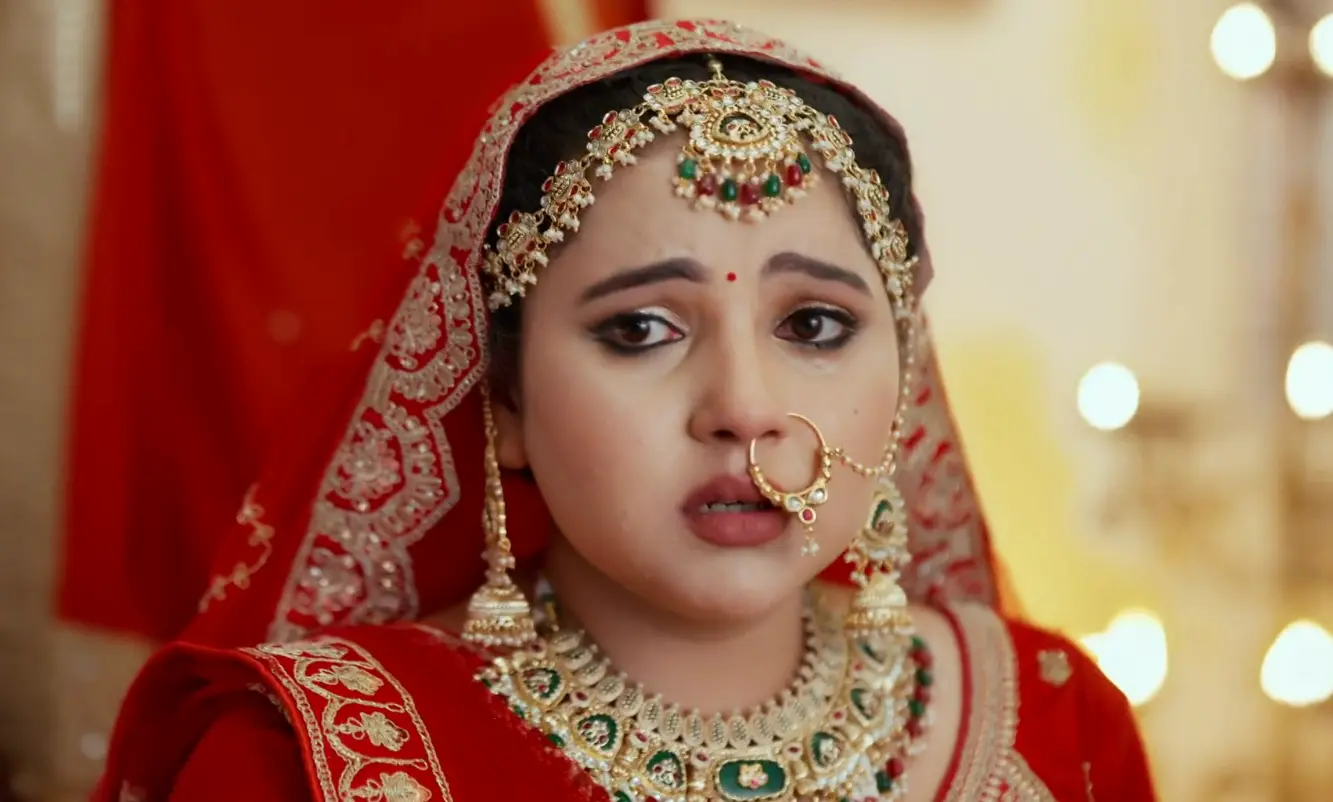
Meanwhile, Noina takes on the classic role of the hopeful, love-struck host. She feeds Mihir, cajoles him, and insists he join her for the Dusshera havan. Suchi, ever the schemer with her subtle matchmaking intentions, whispers into Noina’s ears that Mihir will start loving her food and maybe, just maybe, her too. The anticipation builds as the pandit ji arrives, signaling the auspicious moment for the havan. Tulsi, however, refuses to start the ritual, turning the tension dial to full. Pari gloats internally, convinced that her father will stay absent. Tulsi accepts Pari’s challenge with the grace of someone who’s been in the ring of family politics for decades.
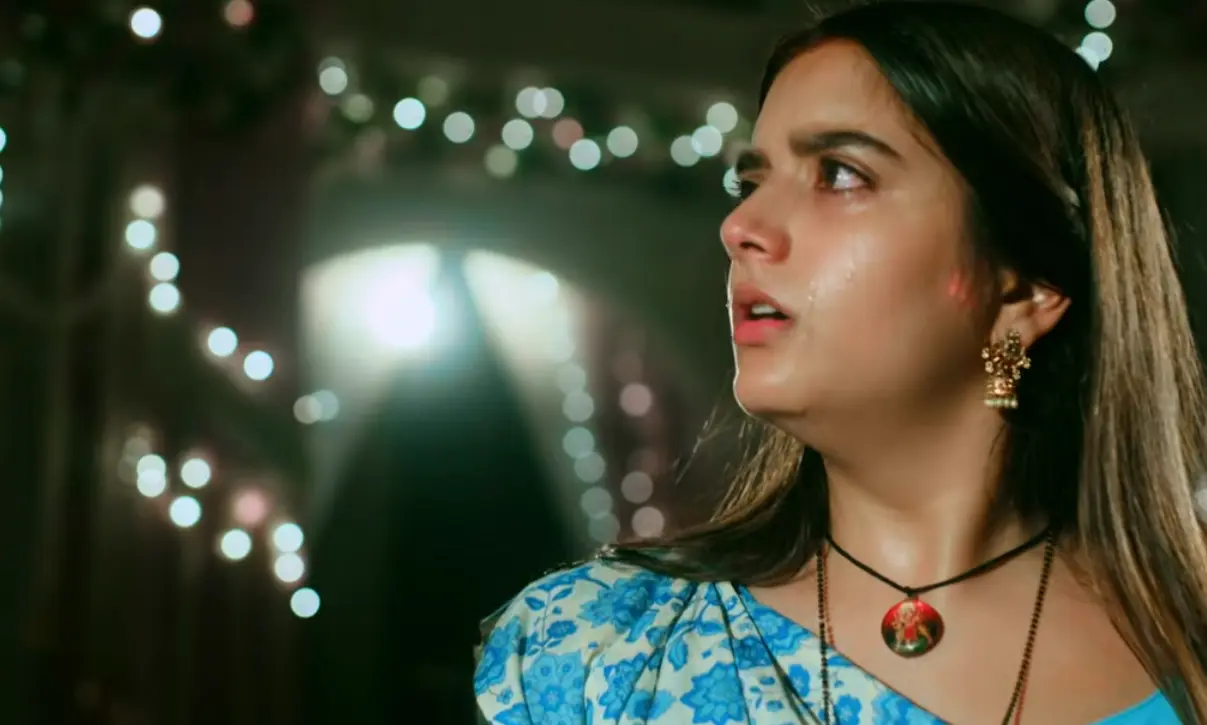
Then, the plot twist that makes hearts leap: Mihir walks into Shantiniketan, breaking all invisible barriers and silent wagers. The return is nothing short of cinematic—Mihir’s presence instantly lifts the atmosphere. Happiness erupts among everyone, except for Pari, whose carefully nurtured narrative of defeat and disappointment crumbles in an instant. Her embarrassment is palpable, almost deliciously so, as she watches the man she doubted return to claim his rightful place beside Tulsi. The emotional pendulum swings sharply in Tulsi’s favor; tears of joy stream down her face as she witnesses the reunion, a scene that captures the essence of family, faith, and the ultimate victory of love.
As the havan commences, Tulsi takes Mihir’s hand, grounding the ceremony in the symbolic warmth of togetherness. On the other side, Noina is left with her sister and niece, performing the ritual alone—a small, silent echo of unfulfilled expectations. The scene subtly contrasts genuine connection with lonely yearning, reinforcing the show’s enduring theme: hearts cannot be forced, rituals cannot be rushed, and love’s timing is divine.
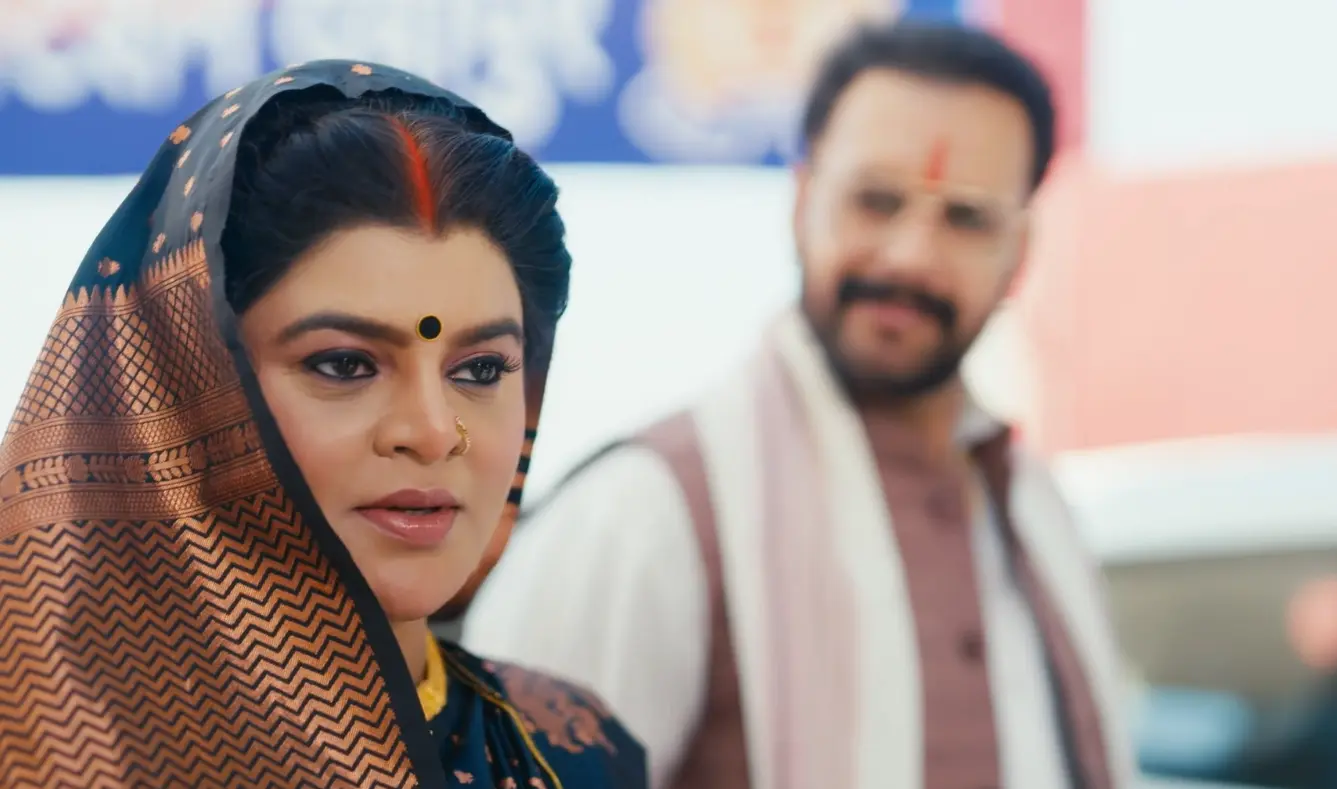
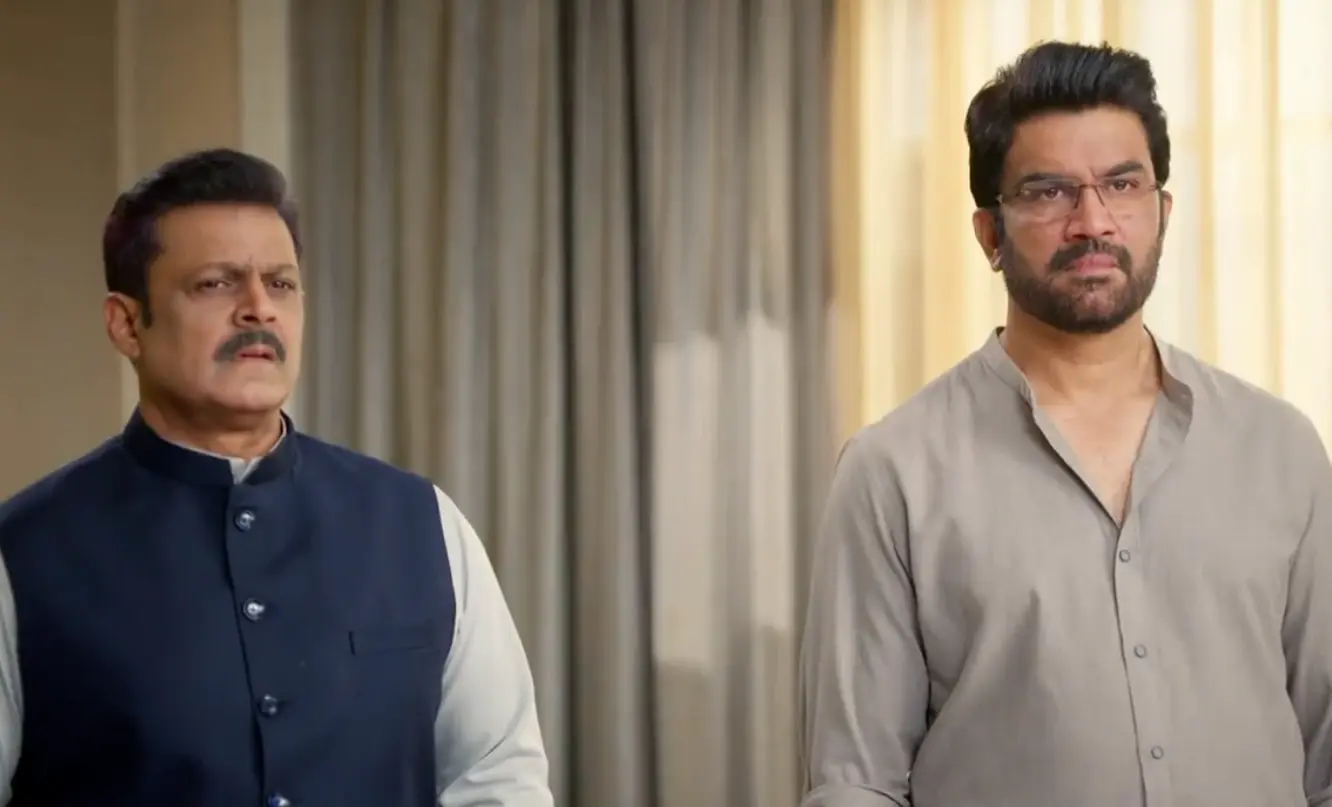
Yet, the episode doesn’t shy away from intrigue. Hemant and Sobha’s plan quietly comes to fruition, reminding viewers that even in moments of joy, subtle manipulation lurks in the background. Mihir confronts Hemant, blaming him for orchestrating Tulsi’s dramatic placement in front of him. Hemant, with the seasoned wisdom of someone who thrives on familial politics, appeals to Mihir’s sense of duty, reminding him of his obligations to his house and the people who love him. The dialogue here is more than words—it’s the age-old tension between personal desire and social responsibility, played out in the lush corridors of Shantiniketan.
With blessings from the pandit ji and the collective happiness of the family, Mihir steps fully back into his world. Ritik and Angad hug him with the unguarded joy that only children can muster, while Sobha declares that the house feels incomplete without him. Mihir’s gesture of handing over his business responsibilities to his sons and Hemant—including Pari—signals a shift from patriarchal authority to shared familial stewardship, a subtle yet powerful commentary on evolving responsibilities within traditional households. His acknowledgment that he must also be present for Tulsi underscores the delicate balancing act of love, duty, and self-respect.
The episode concludes on a hopeful note, with everyone settling into a fragile yet genuine harmony. Pari, who earlier anticipated defeat, is now quietly relieved, perhaps learning that life’s lessons come wrapped in unexpected packages. Mihir’s return is not just physical—it’s emotional, symbolic, and transformative. The precap teases the next layer of drama: Noina’s reactions, oscillating between love and madness, promising that while this episode closes one arc, the ripple effects are far from over.
Kyunki Saas Bhi Kabhi Bahu Thi 4th October 2025 Review:
This episode of Kyunki Saas Bhi Kabhi Bahu Thi manages to intertwine classic family drama with nuanced emotional arcs, reminding viewers why it remains a timeless watch. Tulsi’s unwavering faith, Mihir’s silent charm, and Pari’s conflicted innocence create a tapestry of emotions that resonates beyond the screen. The pacing is meticulous, balancing ceremonial gravity with intimate personal moments.
The episode succeeds because it doesn’t rely solely on overt conflict; it leans on anticipation, subtle power plays, and the human tendency to oscillate between hope and doubt. Mihir’s return is executed with dramatic timing, yet feels earned rather than contrived—a rare feat in serial storytelling. Hemant and Sobha’s schemes provide a counterbalance, injecting a layer of tension without overshadowing the core emotional beats.
Witty, relatable, and deeply rooted in traditional values, the episode captures the timeless dance of family, faith, and the gentle tug-of-war between duty and desire. Tulsi’s triumph, Mihir’s responsible return, and Pari’s humbled perspective form a satisfying narrative triangle, while Noina’s sidelined expectations hint at the continuing cycle of drama.
In short, this episode delivers everything fans could hope for: emotional catharsis, ritualistic splendor, familial scheming, and the quiet thrill of watching a family navigate love, responsibility, and destiny. It’s a masterclass in serialized storytelling, proving once again that in the world of Shantiniketan, every tear, every smile, and every hand held carries weight.






Leave a Reply